Showing posts with label Recipes in Urdu Indian Chinese Phlippines Pakistani Pinterest Without Oil Pinoy Style Panlasang Pinoy. Show all posts

Friday, 7 November 2014

Vegetable Grilling Recipes,Vegetable Recipes in Urdu Indian Chinese Phlippines Pakistani Pinterest Without Oil Pinoy Style Panlasang Pinoy

source:- Google.com.pk

Vegetable Grilling Recipes Biography

Grilling usually involves a significant amount of direct, radiant heat, and tends to be used for cooking meat quickly. Food to be grilled is cooked on a grill (an open wire grid such as a gridiron with a heat source above or below), a grill pan (similar to a frying pan, but with raised ridges to mimic the wires of an open grill), or griddle (a flat plate heated from below).[1] Heat transfer to the food when using a grill is primarily via thermal radiation. Heat transfer when using a grill pan or griddle is by direct conduction. In the United States, when the heat source for grilling comes from above, grilling is termed broiling.[2] In this case, the pan that holds the food is called a broiler pan, and heat transfer is by thermal radiation.
Direct heat grilling can expose food to temperatures often in excess of 260 °C(500 °F). Grilled meat acquires a distinctive roast aroma and flavor from a chemical process called the Maillard reaction. The Maillard reaction only occurs when foods reach temperatures in excess of 155 °C (310 °F).[3]
Studies have shown that cooking beef, pork, poultry, and fish at high temperatures can lead to the formation of heterocyclic amines, benzopyrenes, and polycyclic aromatic hydrocarbons, which are carcinogens.[4][5][6] Marinationmay reduce the formation of these compounds.[7] Grilling is often presented as a healthy alternative to cooking with oil, although the fat and juices lost by grilling can contribute to drier food.
In Japanese cities, a yakitori cart, restaurant, or shop with charcoal-fired grills and marinated grilled meat on a stick can often be found. Yakiniku, is a type of food where meat and/or vegetables are grilled directly over small charcoal or gas grills at high temperatures. (This style of cooking has become popular throughout Asia.) In Malaysia, Singapore, Indonesia, and Thailand, a popular food item from food vendors is satay, marinated meat on a bamboo skewer grilled over a charcoal fire and served with peanut (sate) sauce.Japanese traditional portable charcoal grill "Shichirin"Yakitori being grilled
In the United Kingdom, Commonwealth countries and Ireland, grilling generally refers to cooking food directly under a source of direct, dry heat. The "grill" is usually a separate part of an oven where the food is inserted just under the element.[8] This practice is referred to as "broiling" in North America.In Australia, grilling generally refers to cooking food directly under a source of direct heat. Although sometimes the term grilling may refer to cooking with heat from below, as in the US. In the 1970s and 1980s the electric, two sided vertical grill marketed by the Sunbeam company achieved cult status because of its quick, clean and fat free operation[citation needed].In electric ovens, grilling may be accomplished by placing the food near the upper heating element, with the lower heating element off and the oven door partially open. Grilling in an electric oven may create a large amount of smoke and cause splattering in the oven.[9] Both gas and electric ovens often have a separate compartment for grilling, such as a drawer below the flame or one of the stovetop heating elements.
In the United States, the use of the word grill refers to cooking food directly over a source of dry heat,[10] typically with the food sitting on a metal grate that leaves "grill marks." Grilling is usually done outdoors on charcoal grills or gas grills, a recent trend is the concept of infrared grilling .[citation needed] Grilling may also be performed using stove-top "grill pans" which have raised metal ridges for the food to sit on, or using an indoor electric grill.A skewer or brochette, or a rotisserie may be used to cook small pieces of food. The resulting food product is often called a "kabob" (US term) or "kebab" which means "to grill" in Persian, which is short for "shish kebab" (shish = skewer)(similar to a "satay" in Asian cuisine, or "alambre" in Mexican-Yucatán cuisine). Shish kebabs have a Persian origin, but are now recently commonplace in US cuisine.Mesquite or hickory wood chips (damp) may be added on top of the coals to allow a smoldering effect that provides additional flavor to the food. Other hardwoods such as pecan, apple, maple and oak may also be used.

Vegetable Grilling Recipes Vegetable Recipes in Urdu Indian Chinese Phlippines Pakistani Pinterest Without Oil Pinoy Style Panlasang Pinoy

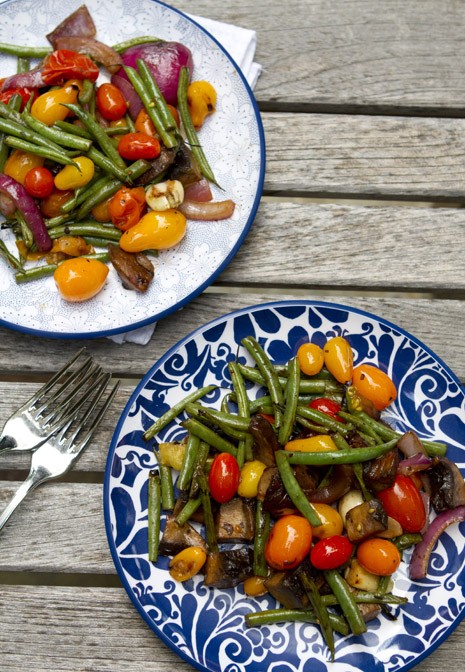
Vegetable Grilling Recipes Recipes in Urdu Indian Chinese Phlippines Pakistani Pinterest Without Oil Pinoy Style Panlasang Pinoy

Vegetable Grilling Recipes Recipes in Urdu Indian Chinese Phlippines Pakistani Pinterest Without Oil Pinoy Style Panlasang Pinoy

Vegetable Grilling Recipes Recipes in Urdu Indian Chinese Phlippines Pakistani Pinterest Without Oil Pinoy Style Panlasang Pinoy

Vegetable Grilling Recipes Recipes in Urdu Indian Chinese Phlippines Pakistani Pinterest Without Oil Pinoy Style Panlasang Pinoy

Vegetable Grilling Recipes Recipes in Urdu Indian Chinese Phlippines Pakistani Pinterest Without Oil Pinoy Style Panlasang Pinoy

Vegetable Grilling Recipes Recipes in Urdu Indian Chinese Phlippines Pakistani Pinterest Without Oil Pinoy Style Panlasang Pinoy

Vegetable Grilling Recipes Recipes in Urdu Indian Chinese Phlippines Pakistani Pinterest Without Oil Pinoy Style Panlasang Pinoy

Vegetable Grilling Recipes Recipes in Urdu Indian Chinese Phlippines Pakistani Pinterest Without Oil Pinoy Style Panlasang Pinoy

Vegetable Grilling Recipes Recipes in Urdu Indian Chinese Phlippines Pakistani Pinterest Without Oil Pinoy Style Panlasang Pinoy

Vegetable Grilling Recipes Recipes in Urdu Indian Chinese Phlippines Pakistani Pinterest Without Oil Pinoy Style Panlasang Pinoy

Monday, 3 November 2014

Chicken and Vegetable Recipes, Recipes in Urdu Indian Chinese Phlippines Pakistani Pinterest Without Oil Pinoy Style Panlasang Pinoy

Source:- Google.com.pk

Chicken and Vegetable Recipes Biography

About chicken
Chicken is the meat derived from chickens. It is the most common type of poultry on earth, and is prepared as food in a wide variety of ways, varying by region and culture throughout the world.
Chicken is a type of domestic fowl raised for its flesh, eggs, and feathers. Chickens are slaughtered at different ages to be processed for different purposes and classified according to their use such as broilers, fryers, roasters, and stewers. Broilers and fryers are chickens that weigh 3 to 4 pounds, are 7 to 12 weeks old and are best used for broiling or fry cooking. As the chicken becomes 10 to 12 weeks old, weighs 2 to 5 pounds and gains more fat, they are referred to as roasters since they are most suitable for roasting or cooking on rotisserie grills. Stewing chickens, which weigh up to 7 pounds and are over 10 months old, are typically best for stewing or processing into canned chicken products.
Typically, the muscle tissue (breast, legs, thigh, etc.), liver, heart, and gizzard are processed for food. Chicken feet are commonly eaten, especially in French and Chinese Cuisine. Chicken wings refers to a serving of the wing sections of a chicken.
Exotic parts like pygostyle (chicken's buttocks) and testicles are commonly eaten in East Asia and some parts of South East Asia.
Chicken eggs are commonly eaten.
From Michael Pollan to locavores, Whole Foods to farmers' markets,  today cooks and foodies alike are paying more attention than ever before to the history of the food they bring into their kitchens—and especially to vegetables. Whether it’s an heirloom tomato, curled cabbage, or succulent squash, from a farmers' market or a backyard plot, the humble vegetable offers more than just nutrition—it also represents a link with long tradition of farming and gardening, nurturing and breeding.
In this charming new book, those veggies finally get their due. In capsule biographies of eleven different vegetables—artichokes, beans, chard, cabbage, cardoons, carrots, chili peppers, Jerusalem artichokes, peas, pumpkins, and tomatoes—Evelyne Bloch-Dano explores the world of vegetables in all its facets, from science and agriculture to history, culture, and, of course, cooking. From the importance of peppers in early international trade to the most recent findings in genetics, from the cultural cachet of cabbage to Proust’s devotion to beef-and-carrot stew, to the surprising array of vegetables that preceded the pumpkin as the avatar of All Hallow’s Eve, Bloch-Dano takes readers on a dazzling tour of the fascinating stories behind our daily repasts.
Spicing her cornucopia with an eye for anecdote and a ready wit, Bloch-Dano has created a feast that’s sure to satisfy gardeners, chefs, and eaters alike.

Chicken and Vegetable Recipes Recipes in Urdu Indian Chinese Phlippines Pakistani Pinterest Without Oil Pinoy Style Panlasang Pinoy

Chicken and Vegetable Recipes Recipes in Urdu Indian Chinese Phlippines Pakistani Pinterest Without Oil Pinoy Style Panlasang Pinoy
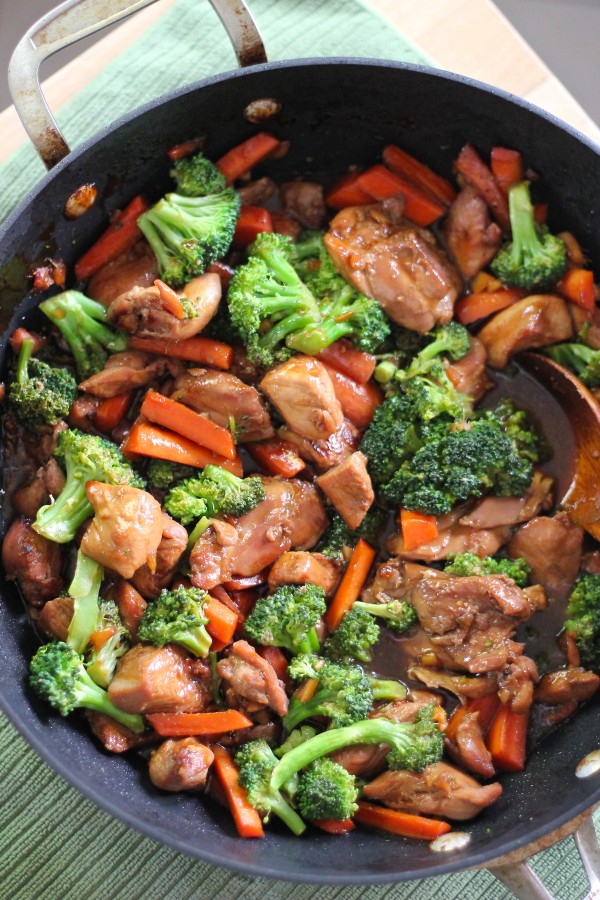
Chicken and Vegetable Recipes Recipes in Urdu Indian Chinese Phlippines Pakistani Pinterest Without Oil Pinoy Style Panlasang Pinoy

Chicken and Vegetable Recipes Recipes in Urdu Indian Chinese Phlippines Pakistani Pinterest Without Oil Pinoy Style Panlasang Pinoy

Chicken and Vegetable Recipes Recipes in Urdu Indian Chinese Phlippines Pakistani Pinterest Without Oil Pinoy Style Panlasang Pinoy

Chicken and Vegetable Recipes Recipes in Urdu Indian Chinese Phlippines Pakistani Pinterest Without Oil Pinoy Style Panlasang Pinoy

Chicken and Vegetable Recipes Recipes in Urdu Indian Chinese Phlippines Pakistani Pinterest Without Oil Pinoy Style Panlasang Pinoy

Chicken and Vegetable Recipes Recipes in Urdu Indian Chinese Phlippines Pakistani Pinterest Without Oil Pinoy Style Panlasang Pinoy

Chicken and Vegetable Recipes Recipes in Urdu Indian Chinese Phlippines Pakistani Pinterest Without Oil Pinoy Style Panlasang Pinoy

Chicken and Vegetable Recipes Recipes in Urdu Indian Chinese Phlippines Pakistani Pinterest Without Oil Pinoy Style Panlasang Pinoy

Chicken and Vegetable Recipes Recipes in Urdu Indian Chinese Phlippines Pakistani Pinterest Without Oil Pinoy Style Panlasang Pinoy

Christmas Vegetable Recipes, Recipes in Urdu Indian Chinese Phlippines Pakistani Pinterest Without Oil Pinoy Style Panlasang Pinoy

Source:- Google.com.pk

Christmas Vegetable Recipes Biography

Firstly – how good is my MS-Paint-esque wreath thing up there (don’t say not very)? If I had a child I would pretend I got them to draw it for me as a way of including them in my work, but no. I just really draw like that.
Anyway. As you might have noticed from my rabbiting over the past few weeks, it can sometimes be a bit tricky to come up with a vegetarian Christmas dinner idea that’s (first and foremost) delicious, and that’s special enough for The Big Day. I often end up going for a ‘fake meat’ product, which I enjoy, but if you feel like getting more creative on Christmas Day, here are 50 of my favourite vegetarian Christmas dinner recipes from some of my favourite blogs.
I see a lot of this type of round-up and they often contain recipes for things like tomatoey pasta – which is delicious and all, but who wants tomatoey pasta for Christmas dinner? You can’t have roast potatoes and gravy alongside tomatoey pasta (though if you do, you’re kind of my hero). Plus if you go for that, you’ll end up eating an entirely different meal from the meat-eater sitting next to you (assuming you’re not making everyone else eat veggie too!). So I’ve made a special effort to make sure that all of the following recipes will go perfectly with the usual roast potatoes, vegetables and (copious amounts of) gravy – there’s no need to stick out like a sore thumb alongside the meat-eaters, and you can still have all the trimmings!
So here goes – let me know which of these vegetarian Christmas dinner recipes is your favourite and whether you’re planning on making any of them this year!
(by the way I’ve marked on which recipes are explicitly vegan, but keep in mind that lots of the other ones could also be made vegan with just one or two really easy substitutions)

LENTIL-BASED RECIPES

Cheesy pumpkin lentil pot pies (pictured above)
Lentil loaf [vegan]
Mushroom, thyme and lentil pies from Fig and Honey
Lentil gratin from Savvy Eats
Mini vegetarian shepherd’s pies from Bev Cooks

BEAN-BASED RECIPES

Carrot and white bean veggie cutlets (pictured above)
Spinach and ricotta strudel with chickpeas
Chickpea and brown rice patties from Kalyn’s Kitchen
Meatless loaf from Fat Free Vegan Kitchen [vegan]
Black-eyed pea cakes from Veggie Belly [vegan]
Roast vegetable crumble from The Natural Foodie [vegan]

MUSHROOM-BASED RECIPES

Mushroom and chestnut pie (pictured above)
Mushroom and brie stuffed Yorkshire puddings
Mushroom and walnut stew with cheesy cobbler topping
Mushroom and brie sausages
Green bean and mushroom tart with blue cheese from A Spicy Perspective
Rich mushroom and neep pie from Tinned Tomatoes [vegan]


R

Christmas Vegetable Recipes Recipes in Urdu Indian Chinese Phlippines Pakistani Pinterest Without Oil Pinoy Style Panlasang Pinoy

Christmas Vegetable Recipes Recipes in Urdu Indian Chinese Phlippines Pakistani Pinterest Without Oil Pinoy Style Panlasang Pinoy
Christmas Vegetable Recipes Recipes in Urdu Indian Chinese Phlippines Pakistani Pinterest Without Oil Pinoy Style Panlasang Pinoy

Christmas Vegetable Recipes Recipes in Urdu Indian Chinese Phlippines Pakistani Pinterest Without Oil Pinoy Style Panlasang Pinoy

Christmas Vegetable Recipes Recipes in Urdu Indian Chinese Phlippines Pakistani Pinterest Without Oil Pinoy Style Panlasang Pinoy

Christmas Vegetable Recipes Recipes in Urdu Indian Chinese Phlippines Pakistani Pinterest Without Oil Pinoy Style Panlasang Pinoy

Christmas Vegetable Recipes Recipes in Urdu Indian Chinese Phlippines Pakistani Pinterest Without Oil Pinoy Style Panlasang Pinoy

Christmas Vegetable Recipes Recipes in Urdu Indian Chinese Phlippines Pakistani Pinterest Without Oil Pinoy Style Panlasang Pinoy 

Christmas Vegetable Recipes Recipes in Urdu Indian Chinese Phlippines Pakistani Pinterest Without Oil Pinoy Style Panlasang Pinoy

Christmas Vegetable Recipes Recipes in Urdu Indian Chinese Phlippines Pakistani Pinterest Without Oil Pinoy Style Panlasang Pinoy

Christmas Vegetable Recipes Recipes in Urdu Indian Chinese Phlippines Pakistani Pinterest Without Oil Pinoy Style Panlasang Pinoy

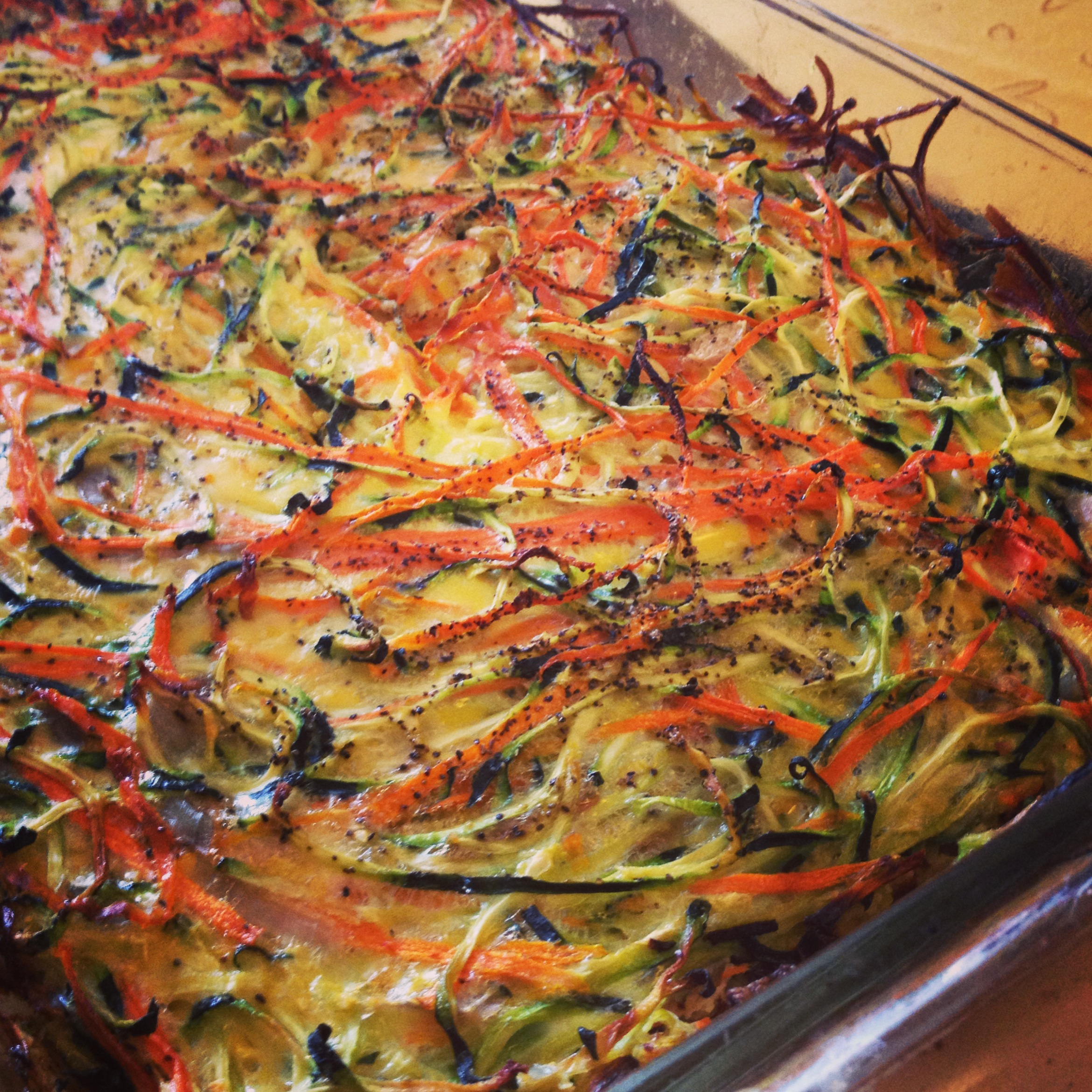
Grilled Vegetables Recipe, Recipes in Urdu Indian Chinese Phlippines Pakistani Pinterest Without Oil Pinoy Style Panlasang Pinoy
Source:- Google.com.pk

Grilled Vegetables Recipe Biography

Grilling usually involves a significant amount of direct, radiant heat, and tends to be used for cooking meat quickly. Food to be grilled is cooked on a grill (an open wire grid such as a gridiron with a heat source above or below), a grill pan (similar to a frying pan, but with raised ridges to mimic the wires of an open grill), or griddle (a flat plate heated from below).[1] Heat transfer to the food when using a grill is primarily via thermal radiation. Heat transfer when using a grill pan or griddle is by direct conduction. In the United States, when the heat source for grilling comes from above, grilling is termed broiling.[2] In this case, the pan that holds the food is called a broiler pan, and heat transfer is by thermal radiation.
Direct heat grilling can expose food to temperatures often in excess of 260 °C(500 °F). Grilled meat acquires a distinctive roast aroma and flavor from a chemical process called the Maillard reaction. The Maillard reaction only occurs when foods reach temperatures in excess of 155 °C (310 °F).[3]
Studies have shown that cooking beef, pork, poultry, and fish at high temperatures can lead to the formation of heterocyclic amines, benzopyrenes, and polycyclic aromatic hydrocarbons, which are carcinogens.[4][5][6] Marinationmay reduce the formation of these compounds.[7] Grilling is often presented as a healthy alternative to cooking with oil, although the fat and juices lost by grilling can contribute to drier food.
In Japanese cities, a yakitori cart, restaurant, or shop with charcoal-fired grills and marinated grilled meat on a stick can often be found. Yakiniku, is a type of food where meat and/or vegetables are grilled directly over small charcoal or gas grills at high temperatures. (This style of cooking has become popular throughout Asia.) In Malaysia, Singapore, Indonesia, and Thailand, a popular food item from food vendors is satay, marinated meat on a bamboo skewer grilled over a charcoal fire and served with peanut (sate) sauce.Japanese traditional portable charcoal grill "Shichirin"Yakitori being grilled
In Germany, the most prominent outdoor form of grilling is gridironing over a bed of burning charcoal. Care is taken that the charcoal does not produce flames. Often beer is used to sprinkle over the sausages or meat and to suppress flames. The meat is usually marinated before grilling. Besides charcoal, sometimes gas and electric heat sources are used, too. Other methods are used less frequently.Grilled bratwurst
In Argentina and Uruguay, both asado (beef roasted on a fire) and steak a la parrilla (beefsteak cooked on traditional grill) are staple dishes and even hailed as national specialities.
In Sweden, grilling directly over hot coals is the most prominent form. Usually the meat is boston butt, pork chops or pork fillét. It is also common to cook meat and vegetables together on a skewer, this is called "grillspett".
In the United Kingdom, Commonwealth countries and Ireland, grilling generally refers to cooking food directly under a source of direct, dry heat. The "grill" is usually a separate part of an oven where the food is inserted just under the element.[8] This practice is referred to as "broiling" in North America.In Australia, grilling generally refers to cooking food directly under a source of direct heat. Although sometimes the term grilling may refer to cooking with heat from below, as in the US. In the 1970s and 1980s the electric, two sided vertical grill marketed by the Sunbeam company achieved cult status because of its quick, clean and fat free operation[citation needed].In electric ovens, grilling may be accomplished by placing the food near the upper heating element, with the lower heating element off and the oven door partially open. Grilling in an electric oven may create a large amount of smoke and cause splattering in the oven.[9] Both gas and electric ovens often have a separate compartment for grilling, such as a drawer below the flame or one of the stovetop heating elements.
In the United States, the use of the word grill refers to cooking food directly over a source of dry heat,[10] typically with the food sitting on a metal grate that leaves "grill marks." Grilling is usually done outdoors on charcoal grills or gas grills, a recent trend is the concept of infrared grilling .[citation needed] Grilling may also be performed using stove-top "grill pans" which have raised metal ridges for the food to sit on, or using an indoor electric grill.A skewer or brochette, or a rotisserie may be used to cook small pieces of food. The resulting food product is often called a "kabob" (US term) or "kebab" which means "to grill" in Persian, which is short for "shish kebab" (shish = skewer)(similar to a "satay" in Asian cuisine, or "alambre" in Mexican-Yucatán cuisine). Shish kebabs have a Persian origin, but are now recently commonplace in US cuisine.Mesquite or hickory wood chips (damp) may be added on top of the coals to allow a smoldering effect that provides additional flavor to the food. Other hardwoods such as pecan, apple, maple and oak may also be used.

Grilled Vegetables Recipe Recipes in Urdu Indian Chinese Phlippines Pakistani Pinterest Without Oil Pinoy Style Panlasang Pinoy
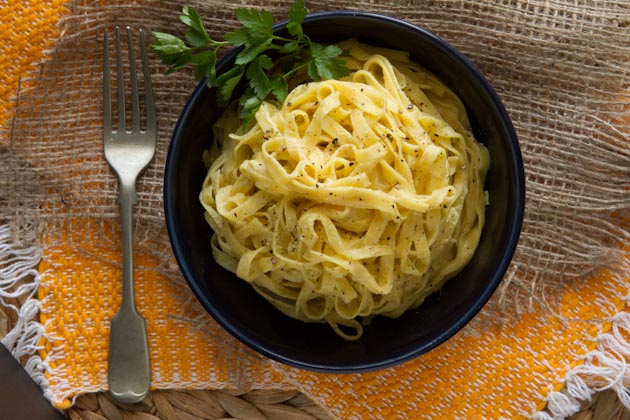
Grilled Vegetables Recipe Recipes in Urdu Indian Chinese Phlippines Pakistani Pinterest Without Oil Pinoy Style Panlasang Pinoy

Grilled Vegetables Recipe Recipes in Urdu Indian Chinese Phlippines Pakistani Pinterest Without Oil Pinoy Style Panlasang Pinoy

Grilled Vegetables Recipe Recipes in Urdu Indian Chinese Phlippines Pakistani Pinterest Without Oil Pinoy Style Panlasang Pinoy

Grilled Vegetables Recipe Recipes in Urdu Indian Chinese Phlippines Pakistani Pinterest Without Oil Pinoy Style Panlasang Pinoy
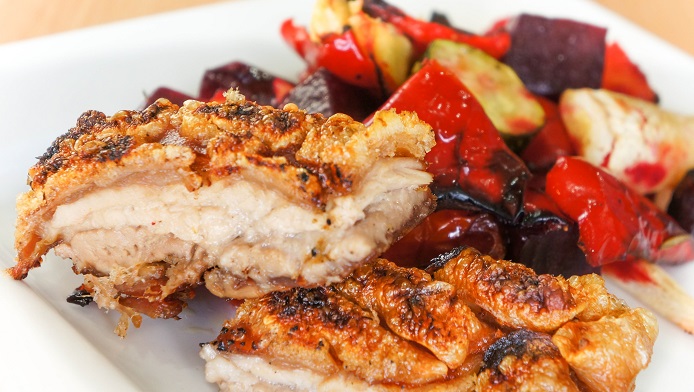
Grilled Vegetables Recipe Recipes in Urdu Indian Chinese Phlippines Pakistani Pinterest Without Oil Pinoy Style Panlasang Pinoy

Grilled Vegetables Recipe Recipes in Urdu Indian Chinese Phlippines Pakistani Pinterest Without Oil Pinoy Style Panlasang Pinoy

Grilled Vegetables Recipe Recipes in Urdu Indian Chinese Phlippines Pakistani Pinterest Without Oil Pinoy Style Panlasang Pinoy

Grilled Vegetables Recipe Recipes in Urdu Indian Chinese Phlippines Pakistani Pinterest Without Oil Pinoy Style Panlasang Pinoy

Grilled Vegetables Recipe Recipes in Urdu Indian Chinese Phlippines Pakistani Pinterest Without Oil Pinoy Style Panlasang Pinoy

Grilled Vegetables Recipe Recipes in Urdu Indian Chinese Phlippines Pakistani Pinterest Without Oil Pinoy Style Panlasang Pinoy

Paleo Vegetable Recipes, Recipes in Urdu Indian Chinese Phlippines Pakistani Pinterest Without Oil Pinoy Style Panlasang Pinoy

Source:- Google.com.pk

Paleo Vegetable Recipes Biography

The Paleolithic diet, also popularly referred to as the caveman diet, Stone Age diet and hunter-gatherer diet, is a modern nutritional diet designed to emulate, insofar as possible using modern foods, the diet of wild plants and animals eaten by humans during the Paleolithic era.[1] Proponents of the diet therefore recommend avoiding any foods that they claim were not available to humans at that time, including dairy products, grains, legumes, processed oils, and refined sugar. The Paleolithic diet is a fad diet[2] that has gained popularity in the 21st century.
The diet is based on several premises. Proponents of the diet posit that during the Paleolithic era — a period lasting around 2.5 million years that ended about 10,000 years ago with the advent of agriculture and domestication of animals — humans evolved nutritional needs specific to the foods available at that time, and that the nutritional needs of modern humans remain best adapted to the diet of their Paleolithic ancestors. Proponents also claim that human metabolism has been unable to adapt fast enough to handle many of the foods that have become available since the advent of agriculture. Thus, modern humans are said to be maladapted to eating foods such as grain, legumes, and dairy, and in particular the high-calorie processed foods that are a staple part of most modern diets. Proponents claim that modern humans' inability to properly metabolize these comparatively new types of food has led to modern-day problems such as obesity, heart disease, and diabetes. They claim that followers of the Paleolithic diet may enjoy a longer, healthier, more active life.

Critics of the Paleolithic diet have pointed out a number of flaws with its underlying logic, including the fact that there is abundant evidence that paleolithic humans did in fact eat grains and legumes,[3] that humans are much more nutritionally flexible than previously thought, that the hypothesis that Paleolithic humans were genetically adapted to specific local diets remains to be proven, that the Paleolithic period was extremely long and saw a variety of forms of human settlement and subsistence in a wide variety of changing nutritional landscapes, and that currently very little is known for certain about what Paleolithic humans ate.

History

An early book on the topic was The Stone Age Diet, self-published in 1975 by Walter Voegtlin.[4] In 1985, Boyd Eaton and Melvin Konner published a paper[5] on Paleolithic nutrition in the New England Journal of Medicine followed in 1988 by the book, with Marjorie Shostak, The Paleolithic Prescription. The evolutionary discordance hypothesis was first articulated by Eaton and Konner in their 1985 article "Paleolithic Nutrition: A Consideration of Its Nature and Current Implications".[6] Since the late 1990s many others have published books and articles promoting the diet, including Staffan Lindeberg, Mark Sisson, and Arthur De Vany.
The diet was overshadowed by regimens such as the Atkins diet and South Beach Diet until the publication of a popular book by Loren Cordain. Cordain holds a bachelor degree in health science, a masters and doctoral degree in exercise physiology, and has studied nutrition professionally for over twenty years. His web site styles him as "Dr Loren Cordain, world's leading expert on paleolithic diets and founder of The Paleo Movement".[7] He is the owner of the trademark "The Paleo Diet".[8] The paleolithic diet has grown greatly in popularity since the publication of Cordain's book, and in 2013 was Google’s most searched-for weight loss method.[9]

Paleo Vegetable Recipes Recipes in Urdu Indian Chinese Phlippines Pakistani Pinterest Without Oil Pinoy Style Panlasang Pinoy

Paleo Vegetable Recipes Recipes in Urdu Indian Chinese Phlippines Pakistani Pinterest Without Oil Pinoy Style Panlasang Pinoy

Paleo Vegetable Recipe  Recipes in Urdu Indian Chinese Phlippines Pakistani Pinterest Without Oil Pinoy Style Panlasang Pinoy

Paleo Vegetable Recipes,  Recipes in Urdu Indian Chinese Phlippines Pakistani Pinterest Without Oil Pinoy Style Panlasang Pinoy

Paleo Vegetable Recipes Recipes in Urdu Indian Chinese Phlippines Pakistani Pinterest Without Oil Pinoy Style Panlasang Pinoy

Paleo Vegetable Recipes Recipes in Urdu Indian Chinese Phlippines Pakistani Pinterest Without Oil Pinoy Style Panlasang Pinoy

Paleo Vegetable Recipes Recipes in Urdu Indian Chinese Phlippines Pakistani Pinterest Without Oil Pinoy Style Panlasang Pinoy

Paleo Vegetable Recipes Recipes in Urdu Indian Chinese Phlippines Pakistani Pinterest Without Oil Pinoy Style Panlasang Pinoy

Paleo Vegetable Recipes Recipes in Urdu Indian Chinese Phlippines Pakistani Pinterest Without Oil Pinoy Style Panlasang Pinoy

Paleo Vegetable Recipes Recipes in Urdu Indian Chinese Phlippines Pakistani Pinterest Without Oil Pinoy Style Panlasang Pinoy

Paleo Vegetable Recipes Recipes in Urdu Indian Chinese Phlippines Pakistani Pinterest Without Oil Pinoy Style Panlasang Pinoy