Monday, 29 September 2014

Filipino Vegetable Recipes,Vegetable Recipes in Urdu Indian Chinese Phlippines Pakistani Pinterest Without Oil Pinoy Style Panlasang Pinoy

Sourse:- Google.com

Filipino Vegetable Recipes Biography

Philippine cuisine consists of the food, preparation methods and eating customs found in the Philippines. The style of cooking and the food associated with it have evolved over many centuries from its Austronesian origins to a mixed cuisine of Malay, Spanish, Chinese, and American, as well as other Asian and Latin influences adapted to indigenous ingredients and the local palate.
Dishes range from the very simple, like a meal of fried salted fish and rice, to the elaborate paellas and cocidos created for fiestas of Spanish origin, and spaghetti and lasagna of Italian origin. Popular dishes include: lechón (whole roasted pig), longganisa (Philippine sausage), tapa (cured beef), torta (omelette), adobo (chicken and/or pork braised in garlic, vinegar, oil and soy sauce, or cooked until dry), kaldereta (meat in tomato sauce stew), mechado (larded beef in soy and tomato sauce), puchero (beef in bananas and tomato sauce), afritada (chicken and/or pork simmered in a peanut sauce with vegetables), kare-kare (oxtail and vegetables cooked in peanut sauce), pinakbet (kabocha squash, eggplant, beans, okra, and tomato stew flavored with shrimp paste), crispy pata (deep-fried pig's leg), hamonado (pork sweetened in pineapple sauce), sinigang (meat or seafood in sour broth), pancit (noodles), and lumpia (fresh or fried spring rolls).
Filipino arroz caldo
During the pre-Hispanic era in the Philippines, the preferred Austronesian methods for food preparation were boiling, steaming and roasting. The ingredients for common dishes were obtained from locally raised livestock. These ranged from kalabaw (water buffaloes), baka (cows), manok (chickens) and baboy (pigs) to various kinds of fish and seafood. In 3200 BCE, Austronesians from the southern China Yunnan-Guizhou Plateau and Taiwan settled in the region that is now called the Philippines. They brought with them knowledge of rice cultivation and other farming practices which increased the number and variety of edible dish ingredients available for cooking.[5]
Direct trade and cultural exchange with Hokkien China in the Philippines in the Song dynasty (960–1279 AD) with porcelain, ceramics, and silk being traded for spices and trepang in Luzon.[6] This early cultural contact with China introduced a number of staple food into Philippine cuisine, most notably toyo (soy sauce; Chinese: 豆油; Pe̍h-ōe-jī: tāu-yu), tokwa; (tofu; Chinese: 豆干; Pe̍h-ōe-jī: tāu-koaⁿ), toge (bean sprout; Chinese: 豆芽; Pe̍h-ōe-jī: tāu-koaⁿ), and patis (fish sauce), as well as the method of stir frying and making savory soup bases. Many of these food items and dishes retained their original Hokkien names, such as pancit (Chinese: 便ê食; Pe̍h-ōe-jī: piān-ê-si̍t)(Chinese: 扁食; pinyin: biǎn shí), and lumpia (Chinese: 潤餅; Pe̍h-ōe-jī: jūn-piáⁿ, lūn-piáⁿ).[6] The Chinese food introduced during this period were food of the workers and traders, which became a staple of the noodle shops (panciterias), and can be seen in dishes like arroz caldo (congee), sinangag (fried rice), chopsuey.

Trade with the various neighboring kingdoms of Malacca and Srivijaya in Malaya and Java brought with it foods and cooking methods which are still commonly used in the Philippines today, such as Bagoong (Malay: Belacan), Patis, Puso (Malay: Ketupat), Rendang, Kare-kare and the infusion of coconut milk in condiments, such as laing and Ginataang Manok (chicken stewed in coconut milk). Through the trade with the Malay-Indonesian kingdoms, cuisine from as far away as India and Arabia enriched the palettes of the local Austronesians (particularly in the areas of southern Luzon, Mindanao, Sulu, Palawan, the Visayas and Bicol, where trade was strongest). These foods include various dishes eaten in areas of the southern part of the archipelago today, such as puto derived from Indian cuisine puttu, kurmah, satti and biryani.
Spanish colonizers and friars in the 16th century brought with them produce from the Americas like chili peppers, tomatoes, corn, potatoes, and the method of sautéing with garlic and onions. Chili leaves are frequently used as a cooking green. Spanish (and Mexican) dishes were eventually incorporated into Philippine cuisine with the more complex dishes usually being prepared for special occasions. Some dishes such as arroz a la valenciana remain largely the same in the Philippine context. Some have been adapted or have come to take on a slightly or significantly different meaning. Arroz a la cubana served in the Philippines usually includes ground beef picadillo. Philippine longganisa despite its name is more akin to chorizo than Spanish longaniza (in Visayan regions, it is still known as chorizo). Morcon is likely to refer to a beef roulade dish not the bulbous specialty Spanish sausage.
Today, Philippine cuisine continues to evolve as new techniques, styles of cooking, and ingredients find their way into the country. Traditional dishes both simple and elaborate, indigenous and foreign-influenced, are seen as are more current popular international viands and fast food fare. However, the Filipino diet is higher in total fat, saturated fat, and cholesterol than other Asian cuisines.[7]

Filipino Vegetable Recipes Vegetable Recipes in Urdu Indian Chinese Phlippines Pakistani Pinterest Without Oil Pinoy Style Panlasang Pinoy

Filipino Vegetable Recipes Vegetable Recipes in Urdu Indian Chinese Phlippines Pakistani Pinterest Without Oil Pinoy Style Panlasang Pinoy
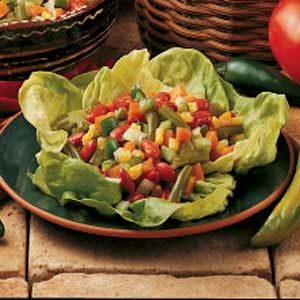
Filipino Vegetable Recipes Vegetable Recipes in Urdu Indian Chinese Phlippines Pakistani Pinterest Without Oil Pinoy Style Panlasang Pinoy

Filipino Vegetable Recipes Vegetable Recipes in Urdu Indian Chinese Phlippines Pakistani Pinterest Without Oil Pinoy Style Panlasang Pinoy

Filipino Vegetable Recipes Vegetable Recipes in Urdu Indian Chinese Phlippines Pakistani Pinterest Without Oil Pinoy Style Panlasang Pinoy

Filipino Vegetable Recipes Vegetable Recipes in Urdu Indian Chinese Phlippines Pakistani Pinterest Without Oil Pinoy Style Panlasang Pinoy

Filipino Vegetable Recipes Vegetable Recipes in Urdu Indian Chinese Phlippines Pakistani Pinterest Without Oil Pinoy Style Panlasang Pinoy
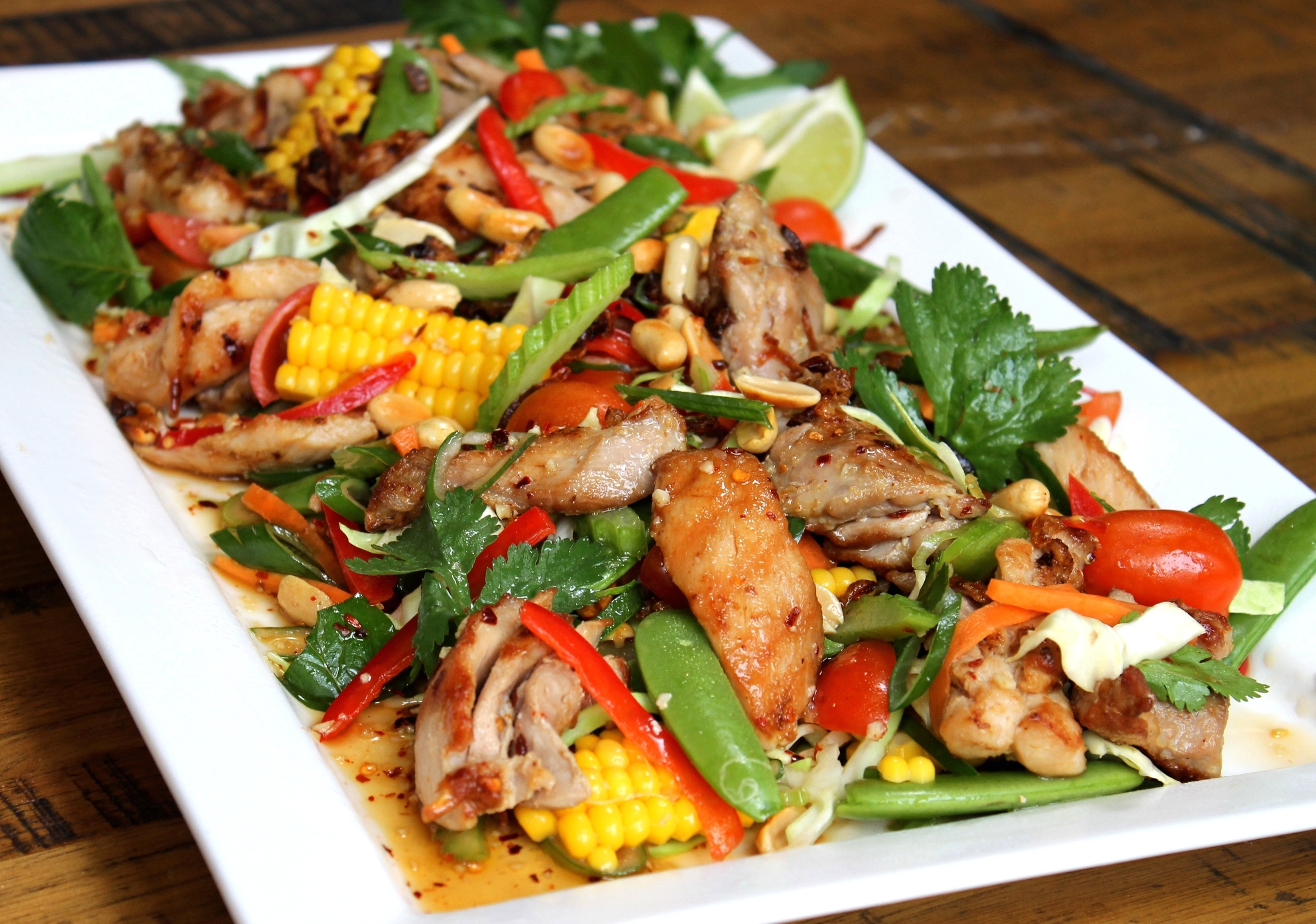
Filipino Vegetable Recipes Vegetable Recipes in Urdu Indian Chinese Phlippines Pakistani Pinterest Without Oil Pinoy Style Panlasang Pinoy

Filipino Vegetable Recipes Vegetable Recipes in Urdu Indian Chinese Phlippines Pakistani Pinterest Without Oil Pinoy Style Panlasang Pinoy

Filipino Vegetable Recipes Vegetable Recipes in Urdu Indian Chinese Phlippines Pakistani Pinterest Without Oil Pinoy Style Panlasang Pinoy

Filipino Vegetable Recipes Vegetable Recipes in Urdu Indian Chinese Phlippines Pakistani Pinterest Without Oil Pinoy Style Panlasang Pinoy

ThanksGiving Vegetable Recipes,Vegetable Recipes in Urdu Indian Chinese Phlippines Pakistani Pinterest Without Oil Pinoy Style Panlasang Pinoy

Sourse:- Google.com

ThanksGiving Vegetable Recipes Biography

The centerpiece of contemporary Thanksgiving in the United States and Canada is a large meal, generally centered around a large roasted turkey. The majority of the dishes in the traditional American version of Thanksgiving dinner are made from foods native to the New World, as according to tradition the Pilgrims received these foods from the Native Americans. However, many of the classic traditions attributed to the first Thanksgiving are actually myths later introduced.[1]
1943 Thanksgiving Day dinner menu from USS Wake Island (CVE-65)
According to what traditionally is known as "The First Thanksgiving," the 1621 feast between the Pilgrims and the Wampanoag at Plymouth Colony contained turkey, waterfowl, venison, fish, lobster, clams, berries, fruit, pumpkin, and squash. William Bradford noted that, "besides waterfowl, there was great store of wild turkeys, of which they took many."[2] Many of the foods that were included in the first feast (except, notably, the seafood) have since gone on to become staples of the modern Thanksgiving dinner.
The use of the turkey in the USA for Thanksgiving precedes Lincoln's nationalization of the holiday in 1863. Alexander Hamilton proclaimed that no "Citizen of the United States should refrain from turkey on Thanksgiving Day," and many of the Founding Fathers (particularly Benjamin Franklin) had high regard for the wild turkey as an American icon, but turkey was uncommon as Thanksgiving fare until after 1800. By 1857, turkey had become part of the traditional dinner in New England.[3]
A Thanksgiving Day dinner served to the Civilian Conservation Corps in 1935 included: pickles, green olives, celery, roast turkey, oyster stew, cranberry sauce, giblet gravy, dressing, creamed asparagus tips, snowflake potatoes, baked carrots, hot rolls, fruit salad, mince meat pie, fruit cake, candies, grapes, apples, clams, fish, and many other food harvests. French drip coffee, cigars and cigarettes.[4]
The White House Cook Book, 1887, by Mrs. F.L. Gillette, et al., had the following menu: oysters on half shell, cream of chicken soup, fried smelts, sauce tartare, roast turkey, cranberry sauce, mashed potatoes, baked squash, boiled onions, parsnip fritters, olives, chicken salad, venison pastry, pumpkin pie, mince pie, Charlotte russe, almond ice cream, lemon jelly, hickory nut cake, cheese, fruits and coffee.[5]

Side dish

A Thanksgiving meal in New England
Many other foods are typically served alongside the main dish—so many that, because of the amount of food, the Thanksgiving meal is sometimes served midday or early afternoon to make time for all the eating, and preparation may begin at dawn or on days prior. Copious leftovers are also common following the meal proper.
Traditional Thanksgiving foods are sometimes specific to the day, and although some of the foods might be seen at any semi-formal meal in the United States, the meal often has something of a ritual or traditional quality. Many Americans would say it is "incomplete" without cranberry sauce; stuffing or dressing; and gravy. Other commonly served dishes include winter squash; sweet potatoes; mashed potatoes; dumplings; noodles; corn on the cob or hominy; deviled eggs; green beans or green bean casserole; sauerkraut (among those in the Mid-Atlantic; especially Baltimore); peas and carrots; bread rolls; cornbread (in the south and parts of New England); or biscuits, rutabagas or turnips; and a salad. For dessert, various pies are often served, particularly apple pie, mincemeat pie, sweet potato pie, pumpkin pie, chocolate cream pie and pecan pie. In Québec, tourtière is usually served alongside as a traditional staple of Quebecois cuisine.

ThanksGiving Vegetable Recipes Vegetable Recipes in Urdu Indian Chinese Phlippines Pakistani Pinterest Without Oil Pinoy Style Panlasang Pinoy

ThanksGiving Vegetable Recipes Vegetable Recipes in Urdu Indian Chinese Phlippines Pakistani Pinterest Without Oil Pinoy Style Panlasang Pinoy

ThanksGiving Vegetable Recipes Vegetable Recipes in Urdu Indian Chinese Phlippines Pakistani Pinterest Without Oil Pinoy Style Panlasang Pinoy

ThanksGiving Vegetable Recipes Vegetable Recipes in Urdu Indian Chinese Phlippines Pakistani Pinterest Without Oil Pinoy Style Panlasang Pinoy

ThanksGiving Vegetable Recipes Vegetable Recipes in Urdu Indian Chinese Phlippines Pakistani Pinterest Without Oil Pinoy Style Panlasang Pinoy

 Vegetable Recipes in Urdu Indian Chinese Phlippines Pakistani Pinterest Without Oil Pinoy Style Panlasang Pinoy

ThanksGiving Vegetable Recipes Vegetable Recipes in Urdu Indian Chinese Phlippines Pakistani Pinterest Without Oil Pinoy Style Panlasang Pinoy

ThanksGiving Vegetable Recipes Vegetable Recipes in Urdu Indian Chinese Phlippines Pakistani Pinterest Without Oil Pinoy Style Panlasang Pinoy

ThanksGiving Vegetable Recipes Vegetable Recipes in Urdu Indian Chinese Phlippines Pakistani Pinterest Without Oil Pinoy Style Panlasang Pinoy

ThanksGiving Vegetable Recipes Vegetable Recipes in Urdu Indian Chinese Phlippines Pakistani Pinterest Without Oil Pinoy Style Panlasang Pinoy

ThanksGiving Vegetable Recipes Vegetable Recipes in Urdu Indian Chinese Phlippines Pakistani Pinterest Without Oil Pinoy Style Panlasang Pinoy

Vegetable Smoothie Recipes,Vegetable Recipes in Urdu Indian Chinese Phlippines Pakistani Pinterest Without Oil Pinoy Style Panlasang Pinoy

Sourse:- Google.com

Vegetable Smoothie Recipes Biography

 smoothie (alternatively spelled Smoothi, smoothee or smoothy, the name comes from the smooth property of the emulsion) is a blended and sometimes sweetened beverage made from fresh fruit (fruit smoothie), vegetables and in special cases can contain chocolate or peanut butter. In addition to fruit, many smoothies include crushed ice, frozen fruit, honey or contain syrup and ice ingredients. They have a milkshake-like consistency that is thicker than slush drinks. They can also contain milk, yogurt or ice cream. Smoothies are often marketed to health-conscious people, and some restaurants offer add-ins such as soy milk, whey powder, green tea, herbal supplements, or nutritional supplement mixes.
The electric blender gave birth to the smoothie in the United States. The word "smoothie" was first coined by Mabel Stegner on June 23, 1940 in an article titled "Let the blender do it for you!" published in the New York Herald Tribune (p. 14-15). Concerning ingredients she wrote: "For instance, place a few ounces of milk, fruit juice, tomato juice or any desired liquid in the food container [of the blender]. Add a banana, or strawberries, or pitted cherries, or diced vegetables, Place the container on the base, switch on the electricity and in less than a minute out comes a banana milk 'smoothie,' a fruit nectar, or a raw vegetable cocktail.[1]
The earliest known use of the word "smoothee" also appeared in 1940 and also in connection with the newly commercialized electric blender. That year the Waring Corporation, founded by the popular and very talented bandleader Fred Waring[citation needed], published its first little booklet of recipes titled "Recipes to Make Your Waring-Go-Round," which contained 12 early recipes for "milk smoothees." Waring had hired Mabel Stegner, B.S., a Home Economics Consultant from the University of Wisconsin, to develop the recipes.[2]
Smoothies were first made in the homes of those who owned an electric blender; they became widely available in the United States in the late 1960s when ice cream vendors and health food stores began selling them. By the 1990s and 2000s, smoothies became available at mainstream cafés and coffee shops and in pre-bottled versions at supermarkets all over the world.
Health food stores on the West Coast of the United States began selling puréed fruit drinks in the 1930s, based on recipes that originated in Brazil.[3] The 1940s-era Waring Blendor cookbooks published recipes for a "banana smoothie" and a "pineapple smoothee." The name "smoothee" or "smoothie" was used by books, magazines, and newspapers for a product made in a blender. Dan Titus, the director of The Juice and Smoothie Association, states in his book, Smoothies, The Original Smoothie Book, that "smoothies became popular in the middle 1960s, when there was a resurgence in the United States in macrobiotic vegetarianism." The first trademark for a fruit slush was in the mid-1970s with the name "California Smoothie", which was marketed by the California Smoothie Company from Paramus, New Jersey. Smoothies from the 1960s and early 1970s were "basically fruit, fruit juice, and ice"; in some cases in the early 1970s, ice milk was also blended in to create the "fruit shake". These shakes were served at local health-food restaurants and at health-food stores alongside tofu, fruits, carob, and other health-oriented foods.
In the early 1970s, the co-founder of Smoothie King, Stephen Kuhnau, began selling blended fruit drinks under the name "smoothie". However, Kuhnau admits that he "didn't invent the word smoothie"; instead, he states that the term dates back to the "fruit and fruit juice based drinks made by the Hippies" in the late 1960s. In the 1980s, the increasing popularity of sports and fitness led to the marketing of supplement-fortified health food products. During this time, the first specialized juice and smoothie bars opened. By the 2000s, the "juice and smoothie industry [was] a multi-billion dollar industry."

 Vegetable Smoothie Recipes Vegetable Recipes in Urdu Indian Chinese Phlippines Pakistani Pinterest Without Oil Pinoy Style Panlasang Pinoy

Vegetable Smoothie Recipes Vegetable Recipes in Urdu Indian Chinese Phlippines Pakistani Pinterest Without Oil Pinoy Style Panlasang Pinoy

Vegetable Smoothie Recipes Vegetable Recipes in Urdu Indian Chinese Phlippines Pakistani Pinterest Without Oil Pinoy Style Panlasang Pinoy

Vegetable Smoothie Recipes Vegetable Recipes in Urdu Indian Chinese Phlippines Pakistani Pinterest Without Oil Pinoy Style Panlasang Pinoy

Vegetable Smoothie Recipes Vegetable Recipes in Urdu Indian Chinese Phlippines Pakistani Pinterest Without Oil Pinoy Style Panlasang Pinoy

Vegetable Smoothie Recipes Vegetable Recipes in Urdu Indian Chinese Phlippines Pakistani Pinterest Without Oil Pinoy Style Panlasang Pinoy

Vegetable Smoothie Recipes Vegetable Recipes in Urdu Indian Chinese Phlippines Pakistani Pinterest Without Oil Pinoy Style Panlasang Pinoy

Vegetable Smoothie Recipes Vegetable Recipes in Urdu Indian Chinese Phlippines Pakistani Pinterest Without Oil Pinoy Style Panlasang Pinoy

Vegetable Smoothie Recipes Vegetable Recipes in Urdu Indian Chinese Phlippines Pakistani Pinterest Without Oil Pinoy Style Panlasang Pinoy

Vegetable Smoothie Recipes Vegetable Recipes in Urdu Indian Chinese Phlippines Pakistani Pinterest Without Oil Pinoy Style Panlasang Pinoy

Vegetable Smoothie Recipes Vegetable Recipes in Urdu Indian Chinese Phlippines Pakistani Pinterest Without Oil Pinoy Style Panlasang Pinoy


Sunday, 28 September 2014

Steamed Vegetable Recipes ,Vegetable Recipes in Urdu Indian Chinese Phlippines Pakistani Pinterest Without Oil Pinoy Style Panlasang Pinoy

Sourse:- Google.com

Steamed Vegetable Recipes Biography

Steaming works by boiling water continuously, causing it to vaporize into steam; the steam then carries heat to the nearby food, thus cooking the food. The food is kept separate from the boiling water but has direct contact with the steam, resulting in a moist texture to the food. This differs from double boiling, in which contact with steam is undesired.
Such cooking is most often done by placing the food into a steamer, which is typically a circular container made of metal or bamboo. The steamer usually has a lid that is placed on the top of the container during cooking to allow the steam to cook through the food. When a steamer is unavailable, a wok filled less than half with water is a replacement by placing a metal frame made of stainless steel in the middle of the wok. Some modern home microwave ovens include the structure to cook food by steam vapor produced in a separate water container, providing a similar result to being cooked by fire. There are also specialized steam ovens available.
Overcooking or burning food is easily avoided when steaming it. Individuals looking to not increase their fat intake may prefer steaming to other methods which require cooking oil. Steaming also results in a more nutritious food than boiling because fewer nutrients are leached away into the water, which is usually discarded. A 2007 USDA comparison between steaming and boiling vegetables shows the most affected nutrients are folic acid and vitamin C. When compared to raw consumption, steaming reduces folic acid by 15%, and boiling reduces it by 35%. Steaming reduces vitamin C by 15%, and boiling reduces it by 25%. Steaming, compared to boiling, showed 42% higher amount of Glucosinolates in broccoli cooked for medium firmness.[1] Phenolic compounds with antioxidant properties have been found to retain significantly better through steaming than through boiling or microwaving.[2] Steaming compared to boiling retained β-carotene in carrots.[3] The effect of cooking food may increase or decrease the nutrients.[4][5]

Food by steaming

In China, the Chinese have used steamers for at least 3000 years or more, with early steamers being made in stoneware and originating in the province of Yunnan. From the eighth century, thin cypress strips were used to make steamers and today they are constructed from bamboo with slatted bases.
In Western cooking, steaming is most often used to cook vegetables - it is rarely used to cook meats. In Chinese cuisine, vegetables are mostly stir fried or blanched and seldom steamed. Seafood and meat dishes are steamed. For example: steamed whole fish, steamed crab, steamed pork spare ribs, steamed ground pork or beef, steamed chicken, steamed goose, etc. Other than meat dishes, rice can be steamed too, although in Chinese this is rarely referred to as "steaming" but rather simply as "cooking." Wheat foods are steamed as well. Examples include buns, Chinese steamed cakes etc. Steamed meat dishes (except fish and some dim sum) are less common in Chinese restaurants than in traditional home cooking because meats usually require longer cooking times to steam than to stir fry. Commercially sold frozen foods (such as dim sum) formerly had instructions to reheat by steaming, until the rise in popularity of home microwave ovens, which have considerably shorter cooking times.
The classic steamer contains a chimney through the center, which distributes the steam among the tiers.

Steamed Vegetable Recipes Vegetable Recipes in Urdu Indian Chinese Phlippines Pakistani Pinterest Without Oil Pinoy Style Panlasang Pinoy

Steamed Vegetable Recipes Vegetable Recipes in Urdu Indian Chinese Phlippines Pakistani Pinterest Without Oil Pinoy Style Panlasang Pinoy

 Steamed Vegetable Recipes Vegetable Recipes in Urdu Indian Chinese Phlippines Pakistani Pinterest Without Oil Pinoy Style Panlasang Pinoy

Steamed Vegetable Recipes Vegetable Recipes in Urdu Indian Chinese Phlippines Pakistani Pinterest Without Oil Pinoy Style Panlasang Pinoy

Steamed Vegetable Recipes Vegetable Recipes in Urdu Indian Chinese Phlippines Pakistani Pinterest Without Oil Pinoy Style Panlasang Pinoy

Steamed Vegetable Recipes Vegetable Recipes in Urdu Indian Chinese Phlippines Pakistani Pinterest Without Oil Pinoy Style Panlasang Pinoy

Steamed Vegetable Recipes Vegetable Recipes in Urdu Indian Chinese Phlippines Pakistani Pinterest Without Oil Pinoy Style Panlasang Pinoy

Steamed Vegetable Recipes Vegetable Recipes in Urdu Indian Chinese Phlippines Pakistani Pinterest Without Oil Pinoy Style Panlasang Pinoy

Steamed Vegetable Recipes Vegetable Recipes in Urdu Indian Chinese Phlippines Pakistani Pinterest Without Oil Pinoy Style Panlasang Pinoy

Steamed Vegetable Recipes Vegetable Recipes in Urdu Indian Chinese Phlippines Pakistani Pinterest Without Oil Pinoy Style Panlasang Pinoy
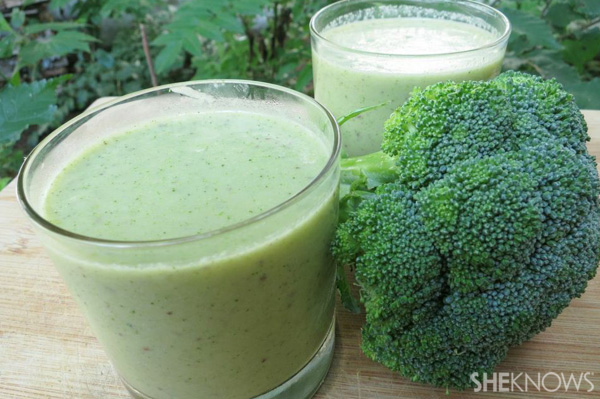
Steamed Vegetable Recipes Vegetable Recipes in Urdu Indian Chinese Phlippines Pakistani Pinterest Without Oil Pinoy Style Panlasang Pinoy

Vegetable Recipe,Vegetable Recipes in Urdu Indian Chinese Phlippines Pakistani Pinterest Without Oil Pinoy Style Panlasang Pinoy

Sourse:- Google.com

Vegetable Recipe Biography

A vegetable is any eatable part of a plant that does not have seeds.[1] For example, lettuce leaves are vegetables, because they do not have seeds. Carrots and potatoes are parts of the root systems of the plants, but since they have no seeds and are eaten by humans, they are vegetables.[1] They are not in the same category as a fruit, nut, herb, spice, or grain. Though tomatoes are often thought of as vegetable, because they have seeds, they are actually fruits.[1] Vegetables are an important part of people's diet (what they eat every day). Vegetables and fruits are sometimes called produce. Vegetables have vitamins A, B, C, D minerals and carbohydrates.
Other meanings[change | change source]
The word "vegetable" can also be used to mean plants in general, such as when people say "Animal, Vegetable, or Mineral."
However, in an Asian context, 'vegetable' may mean any plant produce, apart from grain and nuts, that is consumed cooked, while only the fruits consumed raw are considered as 'fruits'. For example, a pumpkin is therefore considered a vegetable, while a melon qualifies as a fruit.
Carrots are a type of plant. Many different types exist. The Latin name of the plant is usually given as Daucus carota. Many people use it as a vegetable. The plant has an edible, orange root, and usually white flowers. Wild carrots grow naturally in Eurasia. Domesticated carrots are grown for food in many parts of the world.
In Portugal, carrot jam is a speciality.
Cabbage (Brassica oleracea Capitata Group) is an edible plant. It is a lot like broccoli, cauliflower or Brussels sprouts. Cabbage is eaten in many ways around the world. Coleslaw and sauerkraut are popular foods that use cabbage. It is also used to make kimchi and borscht, and can also be used in salads. Red cabbage juice can be used as a pH indicator. Cabbages are usually green, but they can also be red.
Types of cabbage[change | change source]
Cabbages can come in many different types, such as the previously mentioned red and green cabbages, but they can also be in other types. These include white cabbage, also known as Dutch cabbage, and Savoy cabbage.
Broccoli is a plant, Brassica oleracea. It is a vegetable similar to cabbage. Broccoli has green flower heads and a stalk. It comes from Mexico and is one of the most bought vegetables in England.
 This short article about biology can be made longer. You can help Wikipedia by adding to it.
Spinach is a green, leafy vegetable. It comes from southwestern and central Asia. Its flowers are small and yellow.
Here are some perceptions about spinach that come from popular culture:
Spinach is traditionally not very popular with children[source?.
The famous cartoon character Popeye eats spinach in order to become strong.
Spinach has lots of dietary iron.
The potato is originally from the high and cool areas of the Andes of Peru. It was grown as a food crop more than 7,000 years ago. When the Europeans came to South America in the 1500s they took the potato back to Europe. It took nearly 200 years for the potato to become a widely grown crop. In the 1780s the farmers in Ireland began growing potatoes because they grew well in the poor soils. They also have most of the vitamins that people need to survive. The Irish became so dependent on the potato that when the crop failed in 1845 there was a famine and many people starved to death.
The potato plant is now grown in many different parts of the world. Captain William Bligh planted potatoes on Bruny Island, Tasmania in 1792. In Australia they are now the largest vegetable crop

Vegetable Recipe Vegetable Recipes in Urdu Indian Chinese Phlippines Pakistani Pinterest Without Oil Pinoy Style Panlasang Pinoy


Vegetable Recipe Vegetable Recipes in Urdu Indian Chinese Phlippines Pakistani Pinterest Without Oil Pinoy Style Panlasang Pinoy

Vegetable Recipe Vegetable Recipes in Urdu Indian Chinese Phlippines Pakistani Pinterest Without Oil Pinoy Style Panlasang Pinoy

Vegetable Recipe Vegetable Recipes in Urdu Indian Chinese Phlippines Pakistani Pinterest Without Oil Pinoy Style Panlasang Pinoy

Vegetable Recipe Vegetable Recipes in Urdu Indian Chinese Phlippines Pakistani Pinterest Without Oil Pinoy Style Panlasang Pinoy

Vegetable Recipe Vegetable Recipes in Urdu Indian Chinese Phlippines Pakistani Pinterest Without Oil Pinoy Style Panlasang Pinoy


Vegetable Recipe Vegetable Recipes in Urdu Indian Chinese Phlippines Pakistani Pinterest Without Oil Pinoy Style Panlasang Pinoy

Vegetable Recipe Vegetable Recipes in Urdu Indian Chinese Phlippines Pakistani Pinterest Without Oil Pinoy Style Panlasang Pinoy
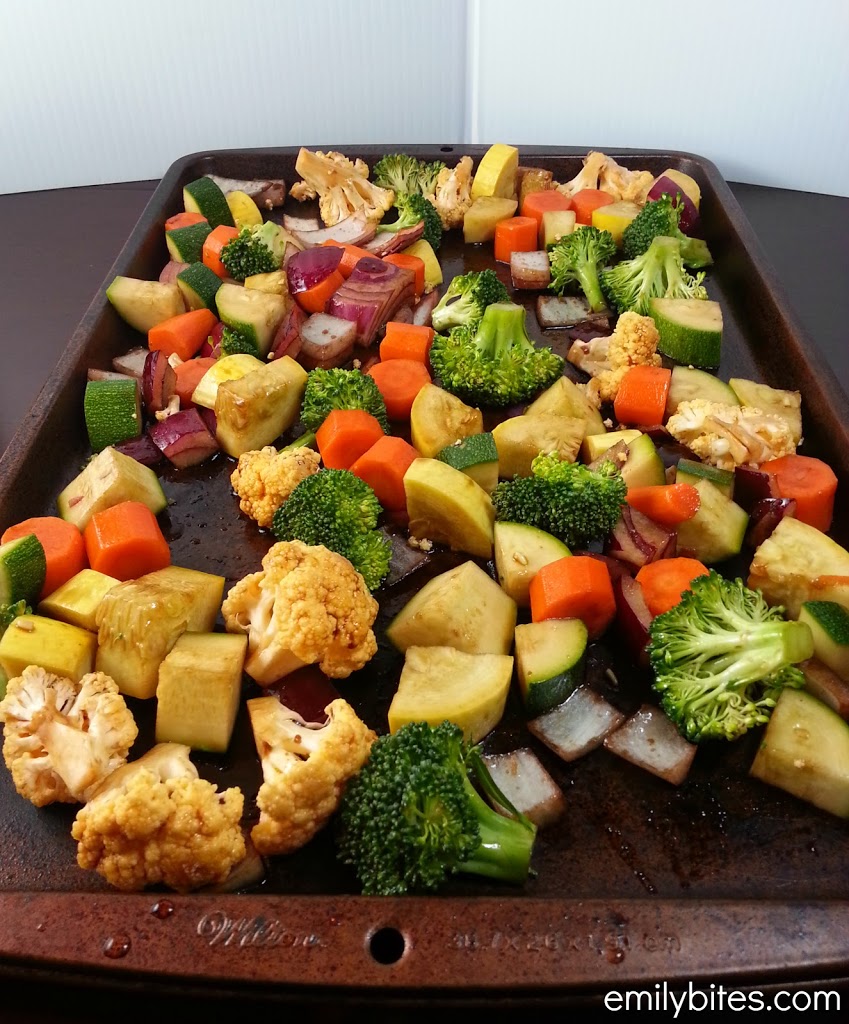
Vegetable Recipe Vegetable Recipes in Urdu Indian Chinese Phlippines Pakistani Pinterest Without Oil Pinoy Style Panlasang Pinoy


Vegetable Recipe Vegetable Recipes in Urdu Indian Chinese Phlippines Pakistani Pinterest Without Oil Pinoy Style Panlasang Pinoy

Vegetable Recipe Vegetable Recipes in Urdu Indian Chinese Phlippines Pakistani Pinterest Without Oil Pinoy Style Panlasang Pinoy